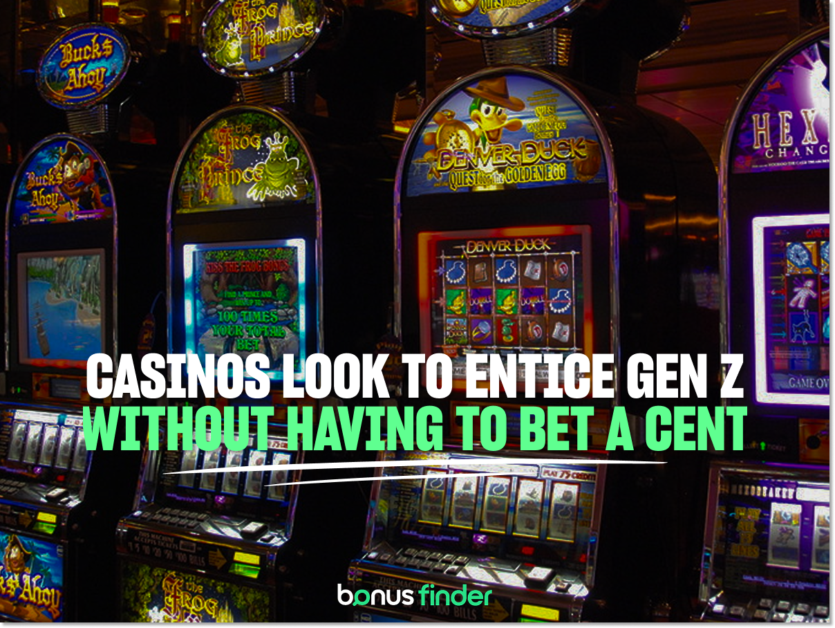

Gen Z ultimately represents the gaming industry's next long-term customer base, with many looking to play at online casinos and sportsbooks, but younger consumers could be keen for something very different from traditional gambling within land-based casinos. The new mission for casinos is ultimately to look… less like casinos.
Upscaling the gaming halls
Older gaming halls are looking to remodel by upscaling restaurants and creating youthful gathering places like bowling alleys, alongside adding natural lighting. New options are being designed to eradicate local casinos' traditional, dark-and-smoky reputations.
The demographic cohort born between 1997 and 2012, known as 'Gen Z', are tending to spend money on: experiences, social activities, food, nightlife, sport and digital entertainment.
Huge amounts have been spent by Gen Z on leisure time courtesy of: gaming, streaming, social media and sport. Often, from the convenience of their own living room or without leaving their homes.
Older generations vs Gen Z
Older generations have traditionally been more likely to visit casinos, so attracting Gen Z patrons could help casino operators build relationships with customers who could remain valuable over the years and decades to come.
New York Mets owner Steve Cohen is planning a new development, amongst several, touting outdoor spaces and amenities. Courtesy of the online boom, Gen Z are more likely to bet than their Gen X parents and baby boomer grandparents, but less likely to do so at physical casinos.
That's according to a 2025 survey conducted by TransUnion, a credit reporting agency. Sports, other live events and betting can help casinos connect with younger audiences who may not identify with traditional slot machines or other table games.
Sports betting among Gen Z is on the rise
Online sportsbooks are becoming everpresent, with people opting to place their bets digitally. Half of American men aged 18 to 49 have accounts with services such as DraftKings or FanDuel according to a Siena Research Institute survey.
That's not to mention those placing sports bets via prediction markets like Polymarket and Kalshi.
Casinos, particularly in smaller and middle markets, have had to adapt and have found themselves selling an "experience" as opposed to merely a place to gamble.
"It has to be beyond just what you can get on your device," began Jennifer Weissman. The chief marketing officer at Penn Entertainment Inc claimed, "Younger audiences are looking for something much more social and community-oriented when they leave their house."
Land-based renovations to appeal to Gen Z already in the works
The Hollywood Casino and Hotel Aurora, about 35 miles west of Chicago, has had a $360M refurbishment in order to spruce up and attract a younger clientele. The sportsbook has been described as a "local watering hole".
Giada De Laurentiis has become the venue's new celebrity chef. Couple her expertise with street-style tacos and spicy chicken sandwiches in the food hall, then it could prove a tasty stomping ground.
Murals painted by local artists are found on the walls, with Ben Bankas the first comedian on their fall schedule this autumn. Gross and sleazy has been swapped for new and sleeky.
Jordan Bender, a gaming equities research analyst at Citizens, stated that entertainment and other enticements are like "mouse traps", ultimately ways to get customers to spend more regardless of if they are betting or not.
Gambling is becoming part of a wider entertainment ecosystem rather than the entire population. Gen Z marketing needs to sell the experiences and not just the odds, jackpots or promotions. But this could, in turn, create much richer content opportunities.
The next generation of gamblers aren't the next generation of gamblers. The next generation of gamblers are the next generation of entertainment consumers.